
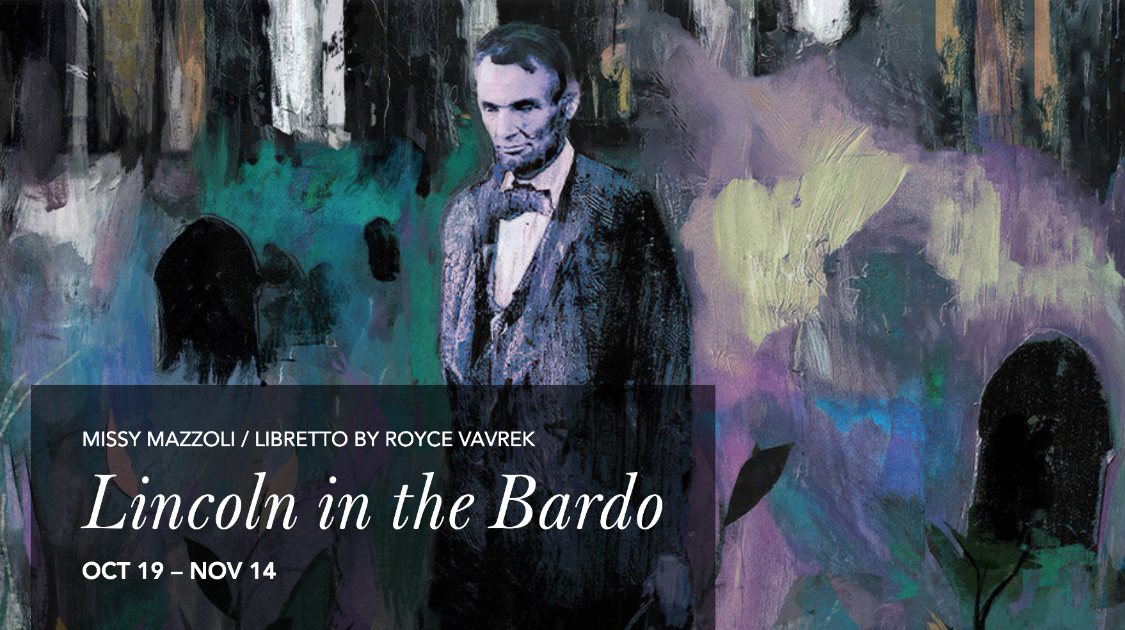
About
George Saunders’s Booker Prize–winning novel arrives at the Met in operatic form, with music by American composer Missy Mazzoli—hailed by The New Yorker as a “once-in-a-generation magician of the orchestra”—and libretto by Royce Vavrek. The supernatural story takes place in the “bardo,” a transitional plane between the end of this life and the beginning of the next, populated by those who resist all the powers of light and darkness and refuse to accept their fates. The action revolves around 11-year-old Willie, recently deceased son of Abraham Lincoln, whose grief-stricken visits to Willie’s tomb prevent his son’s spirit from moving on. Yannick Nézet-Séguin conducts an ensemble cast led by baritone Peter Mattei as Lincoln, alongside a superlative group of singers as the kaleidoscopic residents of the bardo, who band together to help Willie escape being trapped there for eternity—including soprano Christine Goerke, mezzo-soprano Stephanie Blythe, and countertenor Anthony Roth Costanzo. Director Lileana Blain-Cruz has created an otherworldly setting for this unique and uniquely American tale, which arrives at the Met in time for the nation’s 250th birthday celebrations.
Cast & Creatives
Composed by Missy Mazzoli Libretto by Royce Vavrek Based on the novel by George Saunders
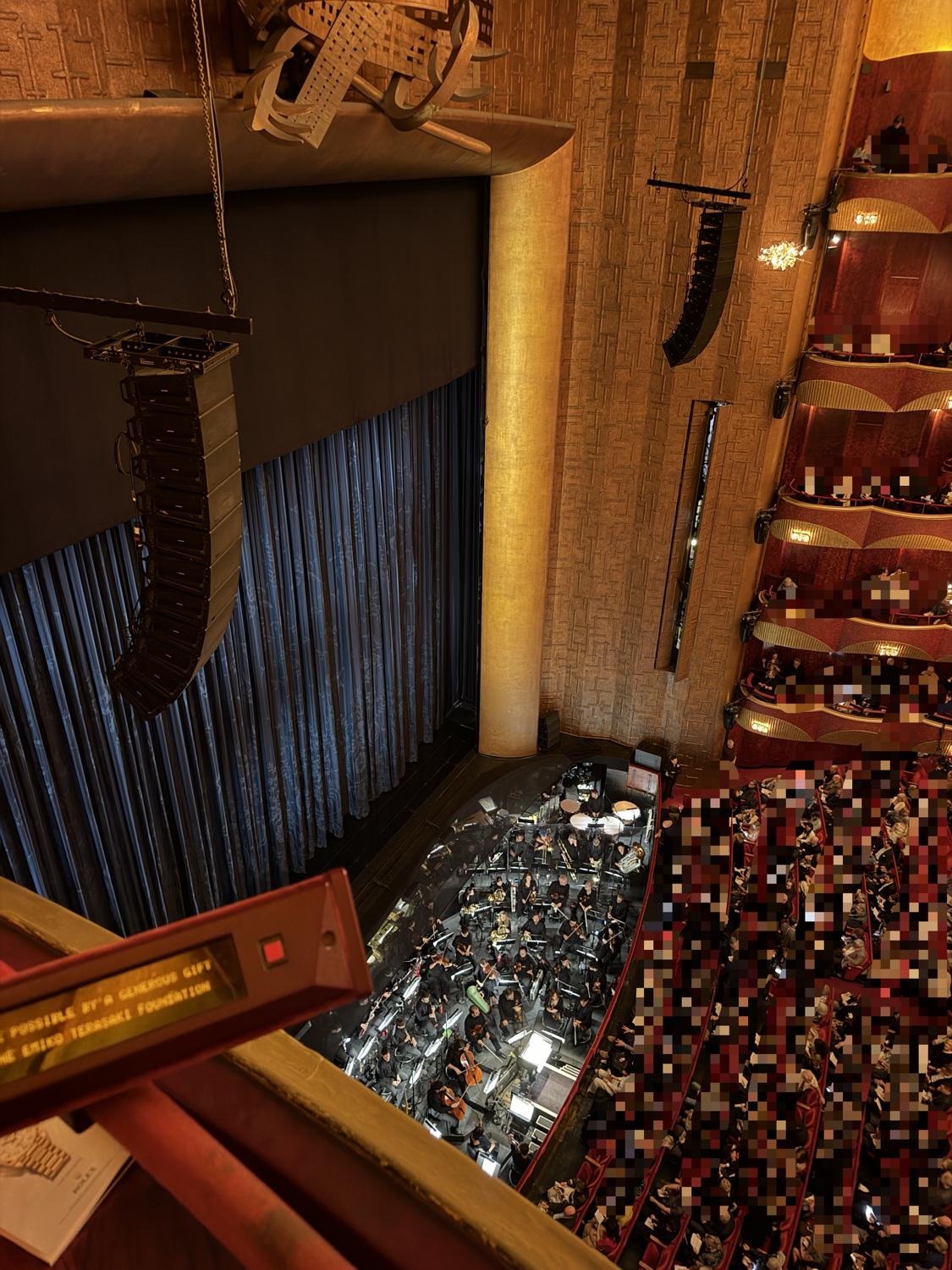
Seat Views
View all 4 seat views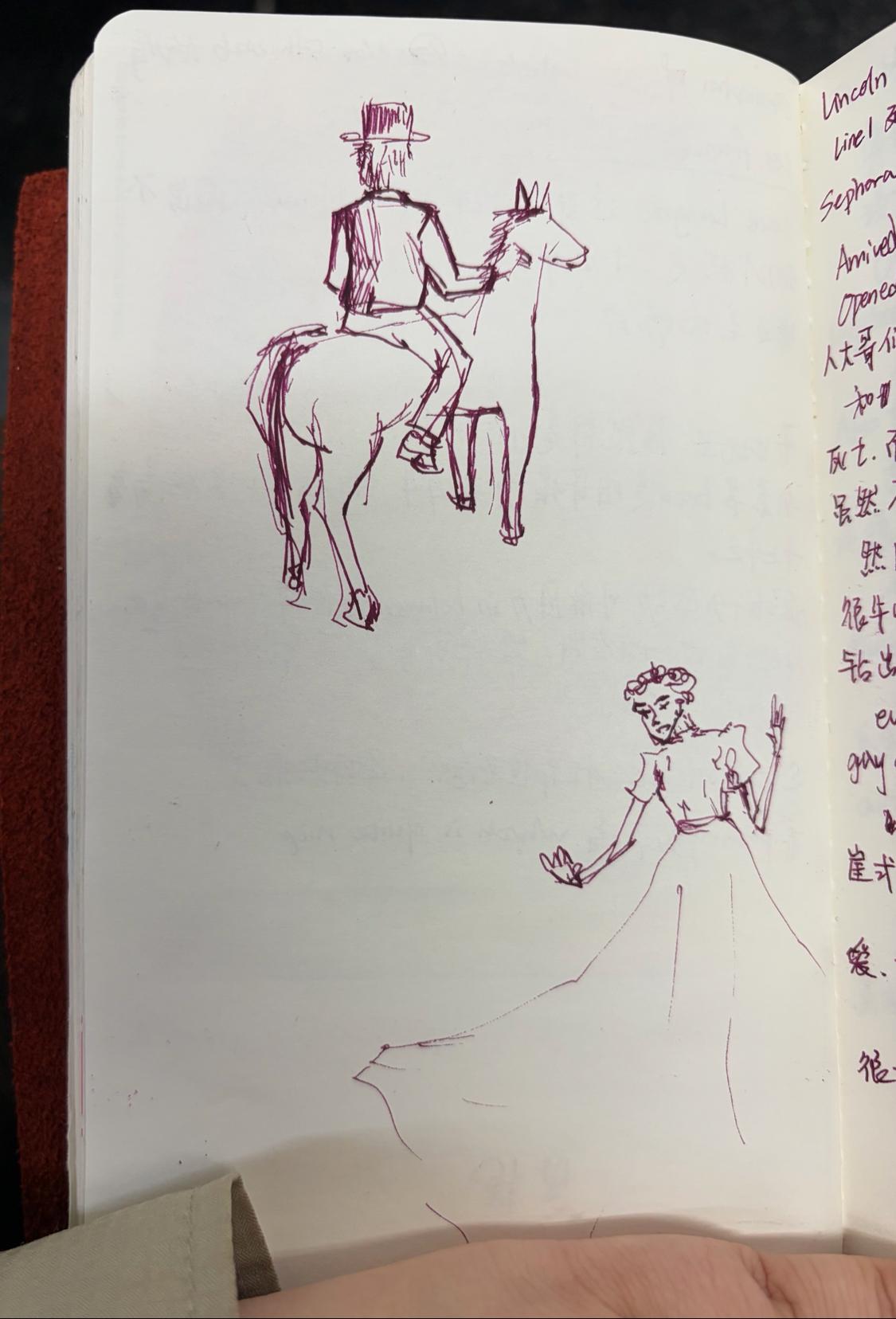
Community Discussion


 Recommend it
A perfectly unhinged modern opera for a new generation. Bravo to Missy Mazzoli and Royce Vavrek 👏
 DRESS CIRCLE BOXES / Row 4 / Seat 5, 6 (together, partial view)
 Recommend itFAMILY CIRCLE BOXES / Row A / Seat 47, 49 (together, partial view)

 Didn’t like it
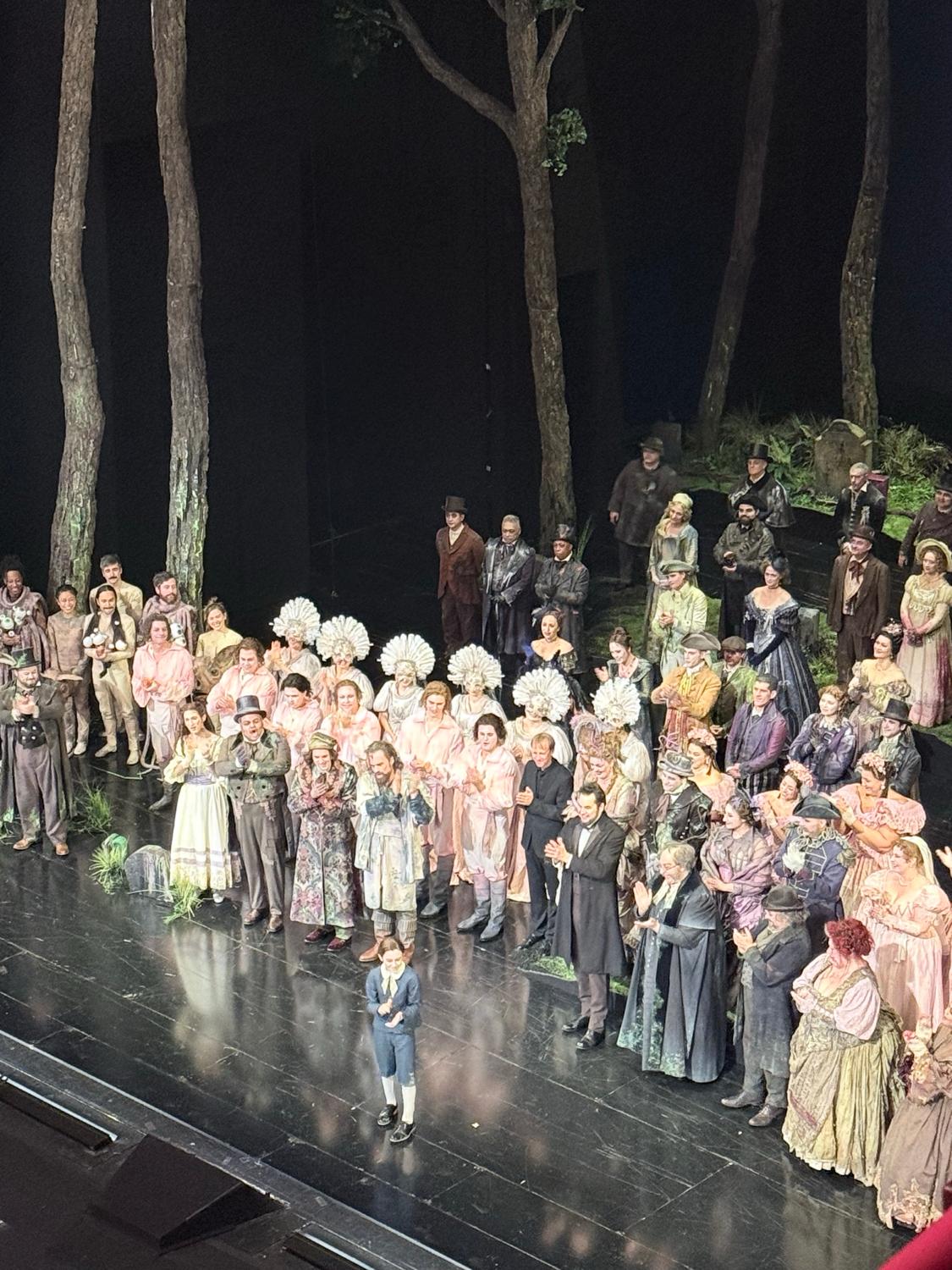
One word: Indecipherable. Buried beneath an avalanche of side stories and an unfocused narrative is what could have been a compelling opera. Instead, the adaptation feels bloated, overly faithful to its source material, and ultimately exhausting. Less would have been so much more. Willie is memorable, the three ghosts have their moments, and Lincoln commands the stage with genuine gravitas. But the real triumph is the production itself. Majestic staging, stunning lighting, beautiful sound, and inventive effects showcase the Met at its most ambitious. Unfortunately, dazzling production values cannot rescue weak storytelling. By the end, the audience seemed defeated, the applause lukewarm, and I was simply ready for it to be over.
The puppetry is where the show gets wonderfully strange. I’m still thinking about a flamingo being stripped of its feathers, and six one-winged angels onstage. The score has a similar fondness for multiplication. A phrase gets passed from voice to voice, and the repetition is definitely making the play more limbo-like.